July
Issue 2017
Welcome to this issue of my free
parenting E-zine in which I bring you small snapshots of the joys and
problems of raising children.
SPECIALS -
Small steps to stop climate change
FEATURES
SPECIALS
-
Small steps to stop climate change
Climate change is happening and
we have begun to take steps towards understanding it and its affects. Our
children learn about it in school now so the number of sceptics who don't
believe it is happening at all, are fewer. The research that is being done
is amazing. There are different kinds of satellites in use that can measure
temperature, moisture and evaporation as well as showing extreme weather
conditions, clouds and drought areas. When there are extreme weather events
such as cyclones and drought, animals and birds are affected too. Scientists
have noticed that some just disappear from areas where they usually go and
instead are found in completely different regions. When there are floods in
central Australia which is usually desert, thousands of birds appear as if
by magic, to breed. In part of America, extreme conditions have been linked
to some species of birds disappearing from their usual homes and going to
parts far away at the time of extreme weather.
For some animals, avoiding this
type of event caused by climate change is much harder. Koalas for example
cannot travel far and with drought and very hot conditions such as they
experienced this summer, the leaves of the trees they eat, didn't contain
the necessary moisture. Koalas were found drinking from swimming pools and
from pet's water bowls. How will they relocate to areas where they can live
as the land warms more? No doubt there are many species of animal that will
become extinct. We must all take measures to limit climate change. We need
to change to renewable energy as soon as possible, take more care of our
natural environment, stop using plastics that cause so much damage and
pollution and stop waste of all kinds.
In July a million people
worldwide are pledging to make the month plastic free. Here is a link to
encourage all of us to make a start.
http://www.plasticfreejuly.org/
Of course this is only a start. We need to turn our communities around
for good. At the moment there is more plastic in the oceans than there is
plankton for sea creatures and when they eat plastic they die. We can
- Use reusable shopping bags
- stop buying water in plastic bottles
- take our own mugs for coffee
- recycle cans, glass and recyclable plastic
- avoid buying food that is wrapped in individual plastic wraps e.g.
buy larger quantities of cheese in a block instead of individual slices.
---------------------------------------------------------------------------------------------------------------
FEATURES
Ages and Stages - Fighting with friends
Even
best friends fight sometimes and fixing things can be hard for all
concerned. Common reasons for arguments are that one feels her/his friend is
Being
left out of games or conversations is very hurtful and makes the child
lonely and sad or sometimes angry and revengeful. While adults can help a
child sort out the problem the situation really must be solved by the
children themselves. Talk to your child about feelings, How he/she felt and
how they think the other child felt. Ask questions about how the fight
started. Instead of focusing on the fight, ask the child to think of ways to
solve the problem. Often a fight is temporary and all will be forgiven and
forgotten by next day. Do accept your child's feeling and that the
disagreement has been important as refusing to listen to what your child is
saying will make him think that you don't care and there is nobody to turn
to. Just talking about what happened is a good way to minimise stress and
often parents find that the friendships are back on track after their child
has talked about the problem. Kids can have quite intense friendships, but
it is good to encourage your child to be friends with a number of children.
A child who has no siblings may find it harder to accept fights with a
special friend as she may not have learnt to share or to defend property or
to express his/her feelings to other children.
Some
children say that their friend makes them act in certain ways or that
they must always do what their friend wants. Explain to your child that
friends can make suggestions about what to do, but he/she should think carefully about the
likely consequences. How will your friend feel if you laugh at her? What
might happen if you run off and leave your friend alone? Can you say sorry
without blaming your friend?
Throughout life we will value our friends even though we may lose touch with
some and will form new friendships at each stage of life.
-----------------------------------------------------------------------------------------------------------------
Kids in the news
– Winter holidays
The winter holidays begin this weekend (1st
July) in NSW. In other states the dates will vary. Families, and especially
the kids, look forward to holiday time but what can you do if you are staying
at home? With a bit of planning you can
see that the kids do special things right at home and in your local town. Here are some ideas to try:
-
a picnic in a local park
-
a shopping excursion
-
invite a friend for the day or visit
friends
-
invite a friend for a sleepover
-
art and craft days
-
let the kids use the camera to make some
videos
-
cooking with the kids
-
go to a national park
-
make a trip to a local museum
-
go animal spotting after dark
-
drive to the town lookout to see the bright
lights after dark
-
look at the stars using binoculars or a
telescope
-
hold a movie night
-
let the kids plan and hold a midnight feast
-
carry out simple science experiments
Get ideas from library books or your own book
shelves for how to extend some of these ideas. For example looking at the
stars might be extended by reading legends about the star groups or by
reading about space exploration, painting night time pictures and so on.
Make these holidays to remember.
-----------------------------------------------------------------------------------------------------------------
Kids 'n Gardening - Getting dirty
Most small kids love getting dirty and parents
don't usually mind if the kids are wearing suitable clothing, especially if
useful jobs are done. I've been listening to some catchy songs from the TV
series of Dirtgirl which is a program that helps kids learn about the
environment and encourages them to go outdoors for all kinds of activities.
There is an emphasis on the three R's - reduce, reuse and recycle. The
garden is certainly an excellent place to practise these important
principles. We can plant in recycled pots, cans, old barrows, even old
boots. We can reduce rubbish by composting, using a worm farm and feeding
scraps to hens. We can pack food in reusable, washable containers to
enjoy eating in the garden or away somewhere. This week we had wonderful rain and that is
followed by brisk, but sunny weather, an ideal time to go out to dig, plant,
rake up, make mudpies, decorate a tree, play running games or just to search
around to see what creatures are active in the garden or what is hiding
under stones or rocks. The Children will enjoy helping with these jobs and
especially planting bulbs in pots for their own special project.-
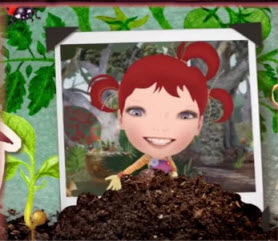 Here
is Dirtgirl. Children can see the programs on ABC TV. Check for times.
Here
is Dirtgirl. Children can see the programs on ABC TV. Check for times.
-------------------------------------------------------------------------------------------------------------------
Healthy Living-Avoiding colds
In winter time there are always a lot of coughs and
colds about and small children pick them up as they play so closely
together. Often they take the germs home too so that the whole family gets
sick. What can you do to keep everyone healthy in the coldest months?
- Dress the family in warm clothes. Teach the kids to keep their
jumpers on when going outside. Make sure they have sound shoes and hats
or beanies to protect their heads.
- Teach good
hygiene. Children can learn to cough into their elbows instead of their
hands so germs are less likely to be spread around the room. Teach them
to keep their noses wiped and tissues put into bins. If the kids
have bad coughs or are sneezing a
lot, keep them home from school or day-care, so they don’t spread the germs. Make
sure kids wash their hands after using tissues and before eating and
after going to the toilet.
- Choose good food. Citrus fruits are high in vitamin C which is vital
to fight colds. For lunches include pieces of orange or mandarins, kiwi
fruit, strawberries, capsicum, carrot sticks and little tomatoes. Soups
are also good for the whole family. For family meals stews with lots of
vegetable included are tasty and will warm and satisfy the whole family.
- See that everyone has plenty of sleep as well as exercise both
indoors and out.
If the children are not well, seek advice from the doctor or chemist
straight away.
---------------------------------------------------------------------------------------------------------------------
Indigenous news -
NAIDOC Week
NAIDOC stands for National Aborigines and Islanders Day
Observance Committee. It now takes place over a week instead of one day and
celebrates the achievements of Australia's Indigenous people. This year the
theme is Our Languages matter. Sadly, many Aboriginal languages have been
lost because the white settlers didn't understand that language is an
important part of identity for people everywhere. In many parts of
Australia, Aboriginal people were not allowed to speak in their own language
and as thousands of children were taken away from their families they had no
opportunity to learn their own languages. Now there is a growing movement to
encourage the speaking of Aboriginal languages and to to record and teach
these languages before it is too late.
In our schools the week is celebrated with flag
raising, craft making, visits to the schools by Indigenous Elders, singers,
dancers and sportspeople. At my granddaughter's school an enormous cake was
made and iced with the Aboriginal and Torres Strait flags and the poster for
languages. Today all children can wear clothes in black, red and yellow and
there will be a special barbecue lunch to which parents are invited followed
by rotational Indigenous craft activities. All children are excited about
this special day.
The winner of this year’s National NAIDOC Poster
Competition is Joanne Cassady. She is a proud Wiradjuri artist.
 Here is the poster
 This is the
flag.
This is the
flag.
At my
granddaughter’s school the week began with the raising of the Aboriginal
flag. A huge cake had been made and iced with the flag, the poster and
the words NAIDOC Week. Each day there is some special activity and
today there is a barbecue followed by cultural activities for all
children to experience including decorating boomerangs with dot
painting.
--------------------------------------------------------------------------------------------------------------------
Book Review- Storm Whale
By Sarah Brennan Illustrated by Jane Tanner
Published by Allen and Unwin 2017 ISBN: 978 1
76029 3642
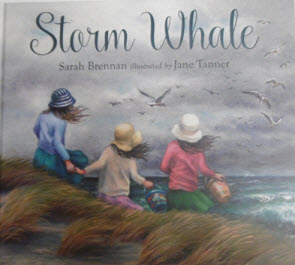
The story of three
sisters who find a stranded whale on the beach as they walk to town, is
told in verse. The carefully chosen words perfectly convey the
atmosphere of the bleak, cold, windy, stormy day.
The illustrations
are wonderful. A big part of the book has pictures in muted tones to
show the weather and the emotions. The girls work all day without
success to refloat the huge whale. Back at home the picture glows with
the orange light of the fire to warm them. The ending you must read for
yourselves.
There is so much to
learn from this book. It is a wonderful one to share with children from
four to twelve. There are teachers notes available from the publishers
that make it a perfect book for class use. Use it to get the children
writing poems.
------------------------------------------------------------------------------------------------------------------
Play idea-
Hopping and jumping games
Preschool children
can jump and hop well and will enjoy helping to make up new games.
Hopscotch is a traditional hopping game that may not be well known to
youngsters today. It is excellent exercise and develops the skills of
balance as well as hopping, observation and memory.
Finding tors for the
game is fun too.
Encourage the kids
to make up games as follows:
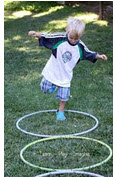
- Lay sticks, ropes and hoops in a variety of patterns then hop or
jump over or around.
- Hop or jump sideways, backward, forward and do this slowly then
faster.
- Use a variety of tors to throw into a designated place. This will
help develop eye, hand and foot co-ordination.
- Combine ball skills too with these hopping and jumping games.
---------------------------------------------------------------------------------------------------------------------
If you have missed previous e-zines click
here
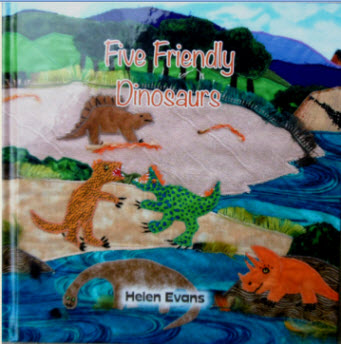 |
'In this story, five
dinosaur friends choose different pathways and opportunities to
explore their world.
While children will discover the consequences for one dinosaur,
the story fosters imaginative discussion and speculation as to
the fate of the others. Who will find their remains, and where
and when will they do so?
Written
and illustrated by Helen Evans this book will be much loved by
children. Helen is an accomplished and well-practiced
storyteller who knows the tastes of her audience well - and what
a treat they’ll find. The vibrant illustrations bringing the
story to life have been created from a multitude of perfectly
chosen fabrics.'
Review by Peter Taylor
The book is available from Helen at
mhevans@tpg.com.au and
at
http://www.xlibris.com/Bookstore/BookDetail.aspx?BookId=SKU-001116874
|
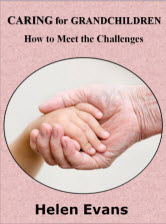 |
Grandparents are important people in families. Sometimes they are the primary caregivers of their grandchildren
because of challenging situations.
Are you a grandparent coping with domestic violence, the death of a parent, drug and
alcohol problems,or mental health issues?
What can you do to help the children? Who can you turn to for advice?
Caring for Grandchildren gives practical tips on how to help
the children as well
as ideas to help grandparents cope with the changes in their lives.
Available
as an e-book from
www.amazon.com/Caring-Grandchildren-Meet-Challenges-Families-ebook/dp/B01FYFLKPO?ie
Pauline Young says:
I cannot praise this book highly enough. The many suggestions
Helen makes for dealing with these difficult issues are most helpful
for the grandparents and children, helping them to live life to the
full in spite of the many problems to be faced.
|
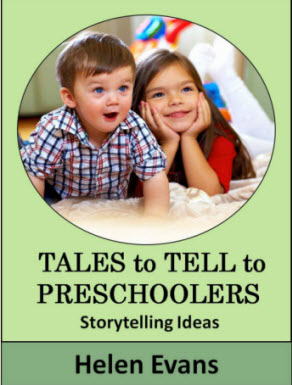 |
This book is available from Amazon as an
E-book and it is a companion to Tales for Toddlers
I have created these tales especially to
tell instead of reading to three, four and five-year olds.
Suggestions for how to tell the stories using aids such as
feltboards, toys and dramatization are set out in an easy to
follow way.
The book is a valuable resource for early
childhood teachers, students, parents, carers and others who
want to develop their skills as storytellers.
Here is the link to order the book:
http://www.amazon.com/dp/B01D3O5KO0
or from my author's page at
|
This
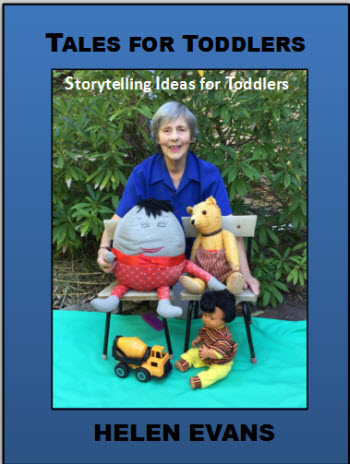 |
Here is a
collection of the stories that I have told to toddlers between
two and three years of age at centres in Armidale over several
years.
Robyn Collins
wrote the following review:
'Most parents know the importance of reading to their children and
of telling stories but, in the latter case in particular, many don't
know quite where to begin. Helen Evans' book can help anyone be a
confident storyteller. What I like best about it, besides the simple
stories, is that Evans explains the 'why' of each story so the
educational value is clear. She also describes how to make easy
story telling resources and exactly how to use them throughout the
activity. Parents will have fun with the resources in this book,
will see the value of the activities and children will love the way
storytelling brings the tales to life. This book should be on the
shelf of every parent.'
It is available at
Amazon :
http://www.amazon.com/dp/B00VMZP64M
|
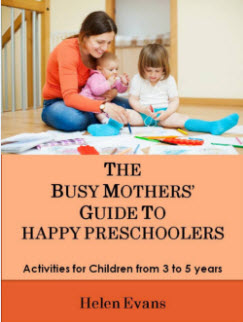 |
Between three to five years of age children
are very busy little people. Their questions, energy and
enthusiasm are amazing.
This book will help parents, carers and
educators to plan fun activities in essential learning areas.
Ideas include cooking, music, storytelling, maths, science,
outdoor games and craft. There are also hints on organizing play
spaces.
Available as an E-book from Amazon at
this link:
http://www.amazon.com/dp/B00IGH0STW
see all three book in my
Mothers' Guides series at my Author's page
www.amazon.com/author/helenevans
|
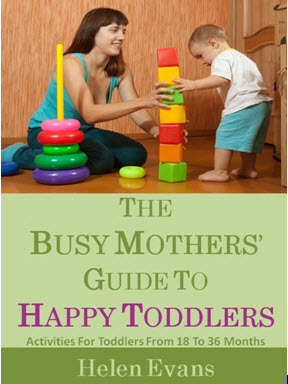 |
The Busy Mothers’ Guide to Happy Toddlers
by Helen Evans
Toddlers are delightful little people who will
both charm and challenge their parents and carers. They thrive on
being busy, playing, exploring, helping, creating and talking. What
are the best toys to buy? Which games and activities will help
toddlers to develop skills?
This book suggests toys and games that toddlers
love. It outlines safe activities for toddlers from 18 to 36 months
that will help develop physical, social, emotional, cognitive and
language skills.
Available as an E-book from Amazon at this link.
www.amazon.com/dp/B00DJJ27SM
|
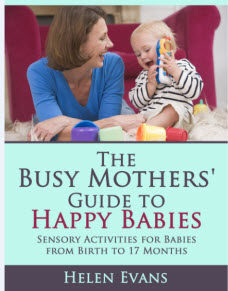 |
The Busy Mothers' Guide
to Happy Babies
by Helen Evans
Talking to and playing with your baby is one of the delights of
being a parent. But what can you do what your baby cries? How can
you communicate? Can you help your baby to develop skills? This book
outlines easy to follow, safe, sensory activities babies will love.
Mobiles, tickling rhymes, toys, books, music,
messy play and creative ideas are suggested for each stage of
development. These activities will keep your baby happy. Mums and
dads, family members and child educators will love these ideas for
babies from birth to 17 months of age.
Available as an E-book from Amazon at the link below.
http://www.amazon.com/dp/B00BTCA2VU |